Harnessing wave energy for electricity generation is a relatively well researched area. Large scale projects such as Pelamis WEC have attempted to use wave energy to generate electricity to supply the grid, and to provide electricity to outlying towns. However smaller devices such as this one, which are designed to be used on boats to provide power for on board electrical applications, have been researched in far less detail.
The purpose of this project was to design and build a wave energy harvester for this application. The prototype built was tested under sinusoidal excitation and the concepts proposed in the design were shown to work.
The starting point for this project was a PhD thesis by Dr Hendijanazideh, in which he designed and built a prototype energy harvester to convert the linear oscillating motion of the waves into rotational motion using a lead screw, and then into electricity with a rotational generator. The harvester designed here uses the same system of an oscillating mass and lead screw, however a number of novel designs were included to maximise the energy harvesting potential of the device.
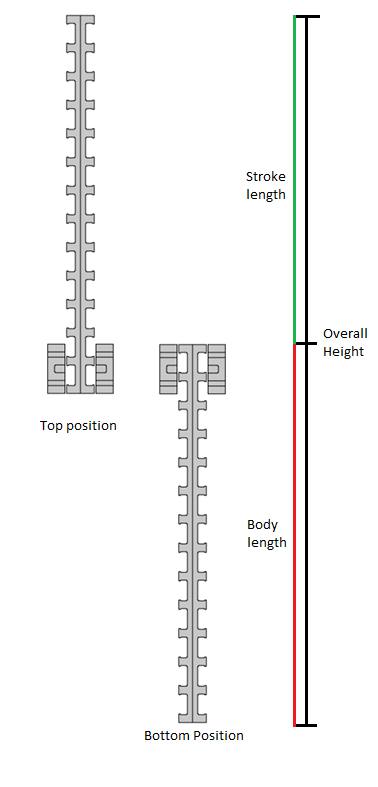
As the harvester is subject to excitation, the mass oscillates on the spring. It is held in place by two rails, and through the centre of the mass is a lead screw bearing, which rotates the lead screw as the mass moves up and down.
The lead screw converts linear motion into rotational motion. As the mass moves, the lead screw bearing on the mass turns the lead screw. A rotational generator is attached to the bottom of the lead screw which converts the oscillating rotational motion into electricity. The rectifier converts the bidirectional oscillating motion of the lead screw into unidirectional motion on the generator. The linear generator converts the oscillating linear motion of the masses into electricity. The variable moment of inertia device controls the resonant frequency of the device to maximise the mass displacement.
The purpose of this project was to design and build a wave energy harvester for this application. The prototype built was tested under sinusoidal excitation and the concepts proposed in the design were shown to work.
The starting point for this project was a PhD thesis by Dr Hendijanazideh, in which he designed and built a prototype energy harvester to convert the linear oscillating motion of the waves into rotational motion using a lead screw, and then into electricity with a rotational generator. The harvester designed here uses the same system of an oscillating mass and lead screw, however a number of novel designs were included to maximise the energy harvesting potential of the device.
As the harvester is subject to excitation, the mass oscillates on the spring. It is held in place by two rails, and through the centre of the mass is a lead screw bearing, which rotates the lead screw as the mass moves up and down.
The lead screw converts linear motion into rotational motion. As the mass moves, the lead screw bearing on the mass turns the lead screw. A rotational generator is attached to the bottom of the lead screw which converts the oscillating rotational motion into electricity. The rectifier converts the bidirectional oscillating motion of the lead screw into unidirectional motion on the generator. The linear generator converts the oscillating linear motion of the masses into electricity. The variable moment of inertia device controls the resonant frequency of the device to maximise the mass displacement.