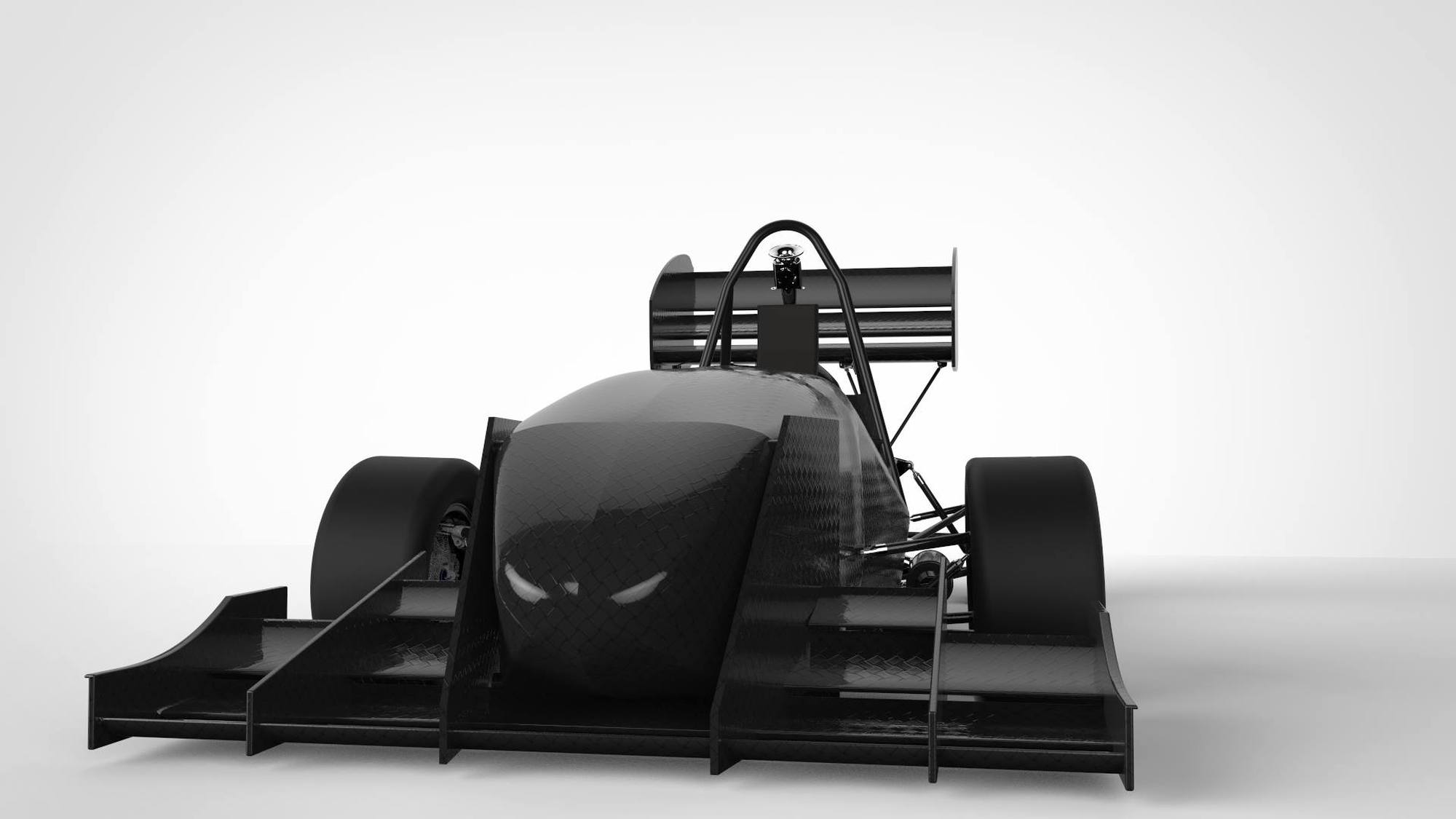
Southampton University Formula Student Team (SUFST) is a team comprising entirely of volunteers who design, build and race each car as an extracurricular activity. As the team enters its fourth year in the competition, the team is continuing to use a Honda CBR600RR ICE, with the view to further optimise its performance. SUFST’s 2015 car (Stag 2) did not participate in any dynamic events due to a mechanical failure of the differential carriers. All components in Stag 3 (2016 car) have been designed for reliability as a priority, with good design principles employed, consideration to simplified manufacture and a reduction in mass. A total target mass of 200 kg without driver was a key design consideration. Efforts to validate design structural analysis to minimise any failures, were ensured through rigorous computational modelling and physical component testing. An aerodynamic package has also been introduced to the car for the first time, featuring both front and rear wings, designed to provide stable downforce. The target for the team is to participate in and finish all dynamic events.
Significant changes were made to the chassis design this year to improve torsional rigidity and stiffness. The engine was utilised as a semi-stressed member to reduce the number of chassis members and improve the packaging of the rear suspension components, reducing the net weight of the chassis and suspension system. More rigorous methods, such as laser-cut ply board jigs, were employed during the chassis production to minimise manufacturing errors. The suspension has been designed using tyre data and features innovative composite wishbones. ARBs have been designed in conjunction with the geometry requirements to improve the dynamic capabilities. Changes have been made within the cockpit, with the hand clutch moved to the gear lever following driver feedback, improving the ergonomics of the car. Innovative manufacturing techniques were also utilised in creating aerodynamic surfaces; Rohacell foam is a key structural component of the wings due to its high rigidity and relatively low density.
Significant changes were made to the chassis design this year to improve torsional rigidity and stiffness. The engine was utilised as a semi-stressed member to reduce the number of chassis members and improve the packaging of the rear suspension components, reducing the net weight of the chassis and suspension system. More rigorous methods, such as laser-cut ply board jigs, were employed during the chassis production to minimise manufacturing errors. The suspension has been designed using tyre data and features innovative composite wishbones. ARBs have been designed in conjunction with the geometry requirements to improve the dynamic capabilities. Changes have been made within the cockpit, with the hand clutch moved to the gear lever following driver feedback, improving the ergonomics of the car. Innovative manufacturing techniques were also utilised in creating aerodynamic surfaces; Rohacell foam is a key structural component of the wings due to its high rigidity and relatively low density.
-
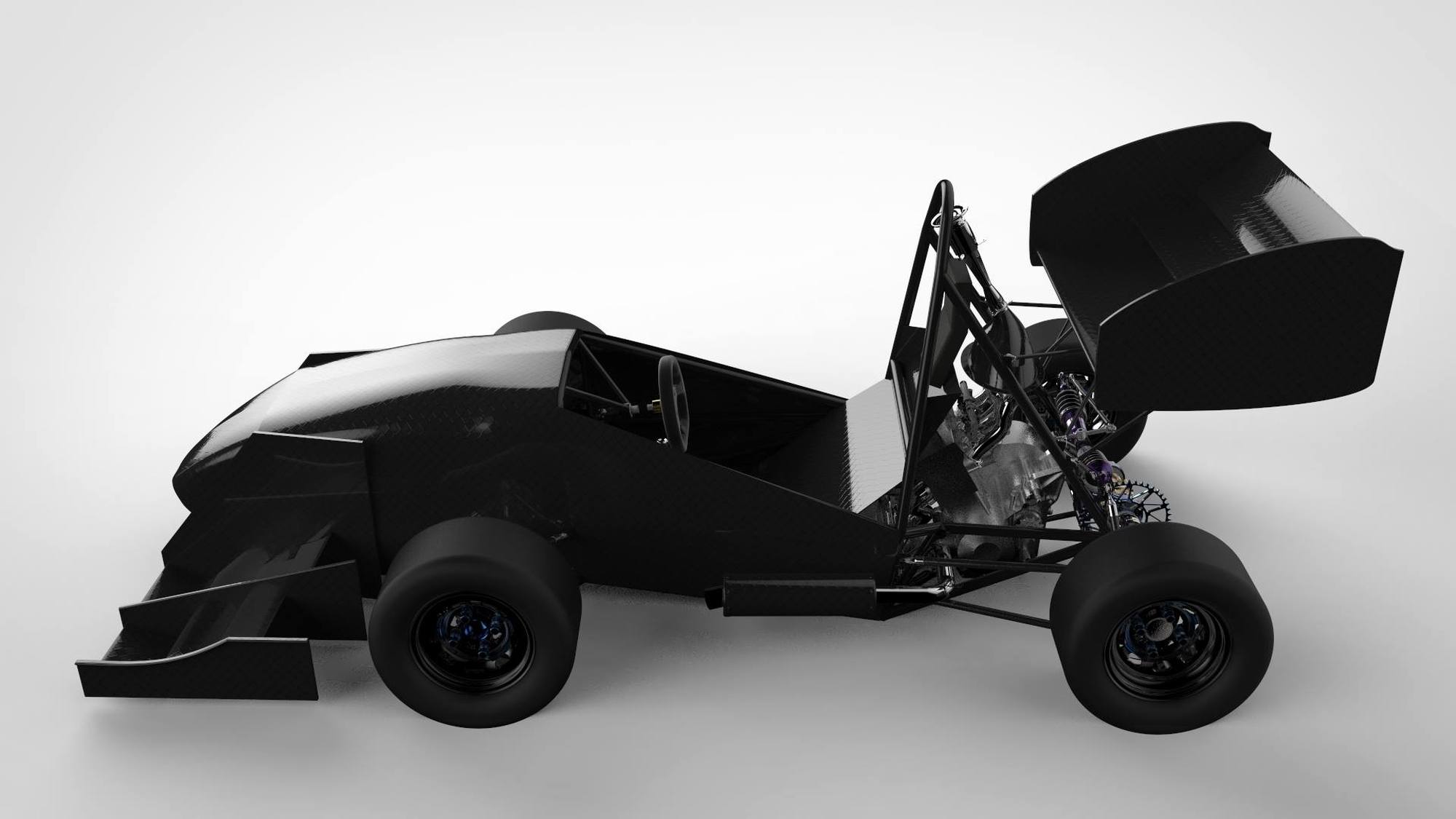
- Side view of a render of the 2016 SUFST car, Stag 3
-

- Rear view of a render of the 2016 SUFST car, Stag 3
-
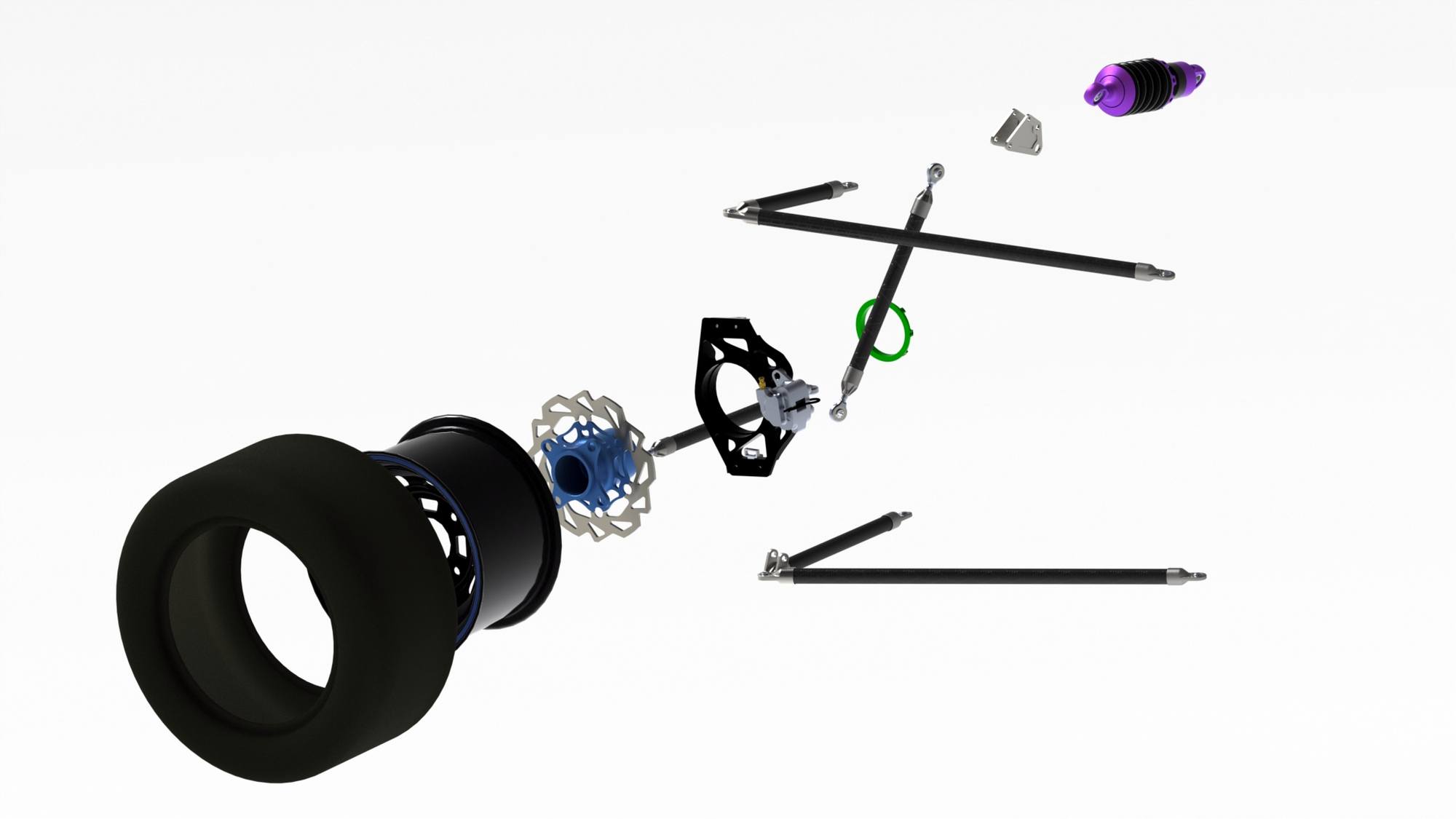
- An exploded render of the rear suspension and wheel assembly
-
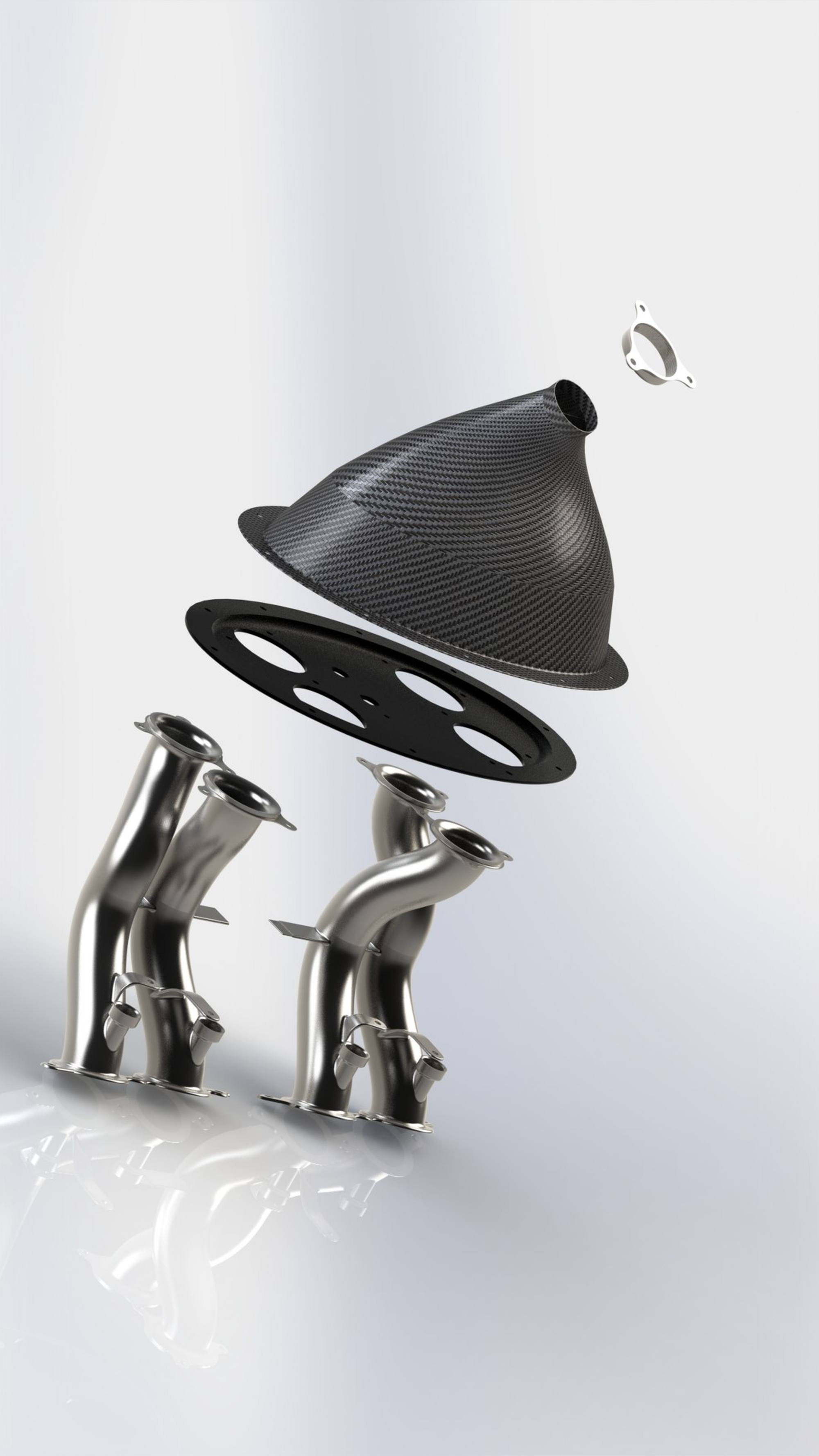
- An exploded render of the carbon fibre plenum and intake runners