Fifty undergraduate, post-graduate and MsC students have worked throughout the year to design, build and race an electrically powered hydro-foiling boat against twenty five other teams from twelve countries as part of the Southampton Hydro Team. Each entry is required to carry twenty and two-hundred kilogram loads in three different races: two single-lap courses and a two hour light-weight endurance marathon.
The Hydros Foundation, a Swiss non-profit organisation dedicated to fostering maritime efficiency, provided the motor, battery and initial support to each team. For technical guidance, materials and additional support, the Southampton team partnered with the University and local businesses. Along the way, the team hosted tech talks, demonstrated to the Royal Institution of Naval Architects (RINA), presented at conferences and displayed at university and school science fairs. These experiences outside the classroom pushed the team to develop skills in management, enterprise, communication, social networking, logistics, design, and construction.
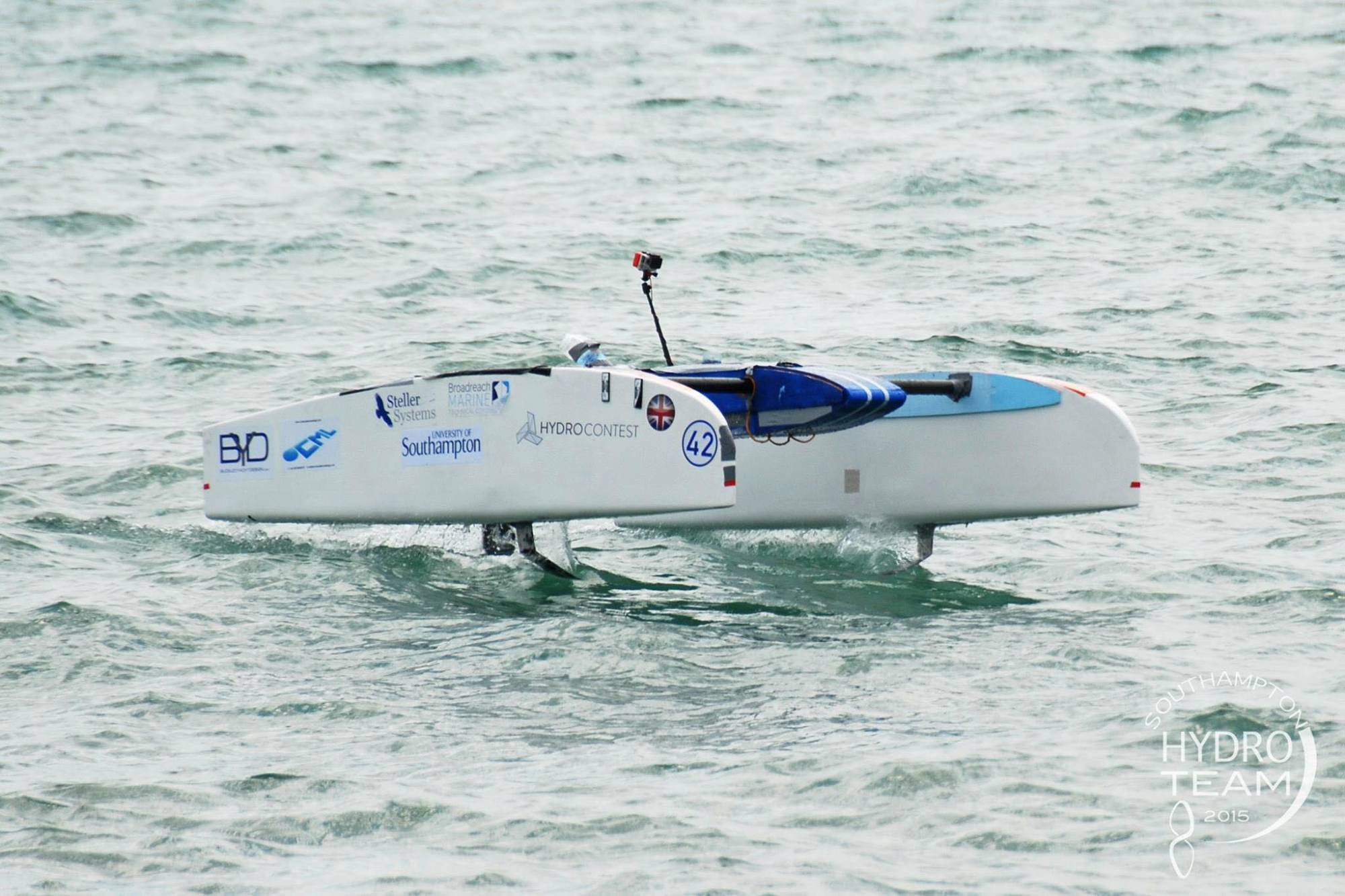
The contest’s 2.5 metre by 2.5 metre size limit constrains the Southampton boat, which incorporates light-weight carbon fibre and renewable fibre construction. Its SWATH (Small Waterplane Area Twin Hull) catamaran design optimises the boat for the three race courses. Only the rudder, struts, foils and cargo-laden torpedoes contact the water. At cruising speed, its dagger board hydrofoils and rudder T-foil lift the twenty kilogram-laden boat hulls above the waterline, eliminating the hulls’ wetted surface area friction and resistance from waves. Streamlined torpedoes house the required two hundred kilograms and replace the hydrofoils beneath the hull, taking advantage of reduced wave resistance under the surface.
At the 2015 HYDROcontest, a Southampton team member’s work led to his current employment optimising the Azipod propulsion system for ABB. This year has already provided opportunities for an Easter break internship, shipyard experience and introductions to industry experts such as Ben Ainslie Racing’s Chief Technology Officer Andy Claughton.
The Southampton Hydro Team is a Southampton University Students’ Union group open to students from any discipline and year. Marketing students and business and accounting majors contribute as much to the project as engineers, sailors and model yacht enthusiasts.
The Hydros Foundation, a Swiss non-profit organisation dedicated to fostering maritime efficiency, provided the motor, battery and initial support to each team. For technical guidance, materials and additional support, the Southampton team partnered with the University and local businesses. Along the way, the team hosted tech talks, demonstrated to the Royal Institution of Naval Architects (RINA), presented at conferences and displayed at university and school science fairs. These experiences outside the classroom pushed the team to develop skills in management, enterprise, communication, social networking, logistics, design, and construction.
The contest’s 2.5 metre by 2.5 metre size limit constrains the Southampton boat, which incorporates light-weight carbon fibre and renewable fibre construction. Its SWATH (Small Waterplane Area Twin Hull) catamaran design optimises the boat for the three race courses. Only the rudder, struts, foils and cargo-laden torpedoes contact the water. At cruising speed, its dagger board hydrofoils and rudder T-foil lift the twenty kilogram-laden boat hulls above the waterline, eliminating the hulls’ wetted surface area friction and resistance from waves. Streamlined torpedoes house the required two hundred kilograms and replace the hydrofoils beneath the hull, taking advantage of reduced wave resistance under the surface.
At the 2015 HYDROcontest, a Southampton team member’s work led to his current employment optimising the Azipod propulsion system for ABB. This year has already provided opportunities for an Easter break internship, shipyard experience and introductions to industry experts such as Ben Ainslie Racing’s Chief Technology Officer Andy Claughton.
The Southampton Hydro Team is a Southampton University Students’ Union group open to students from any discipline and year. Marketing students and business and accounting majors contribute as much to the project as engineers, sailors and model yacht enthusiasts.
-
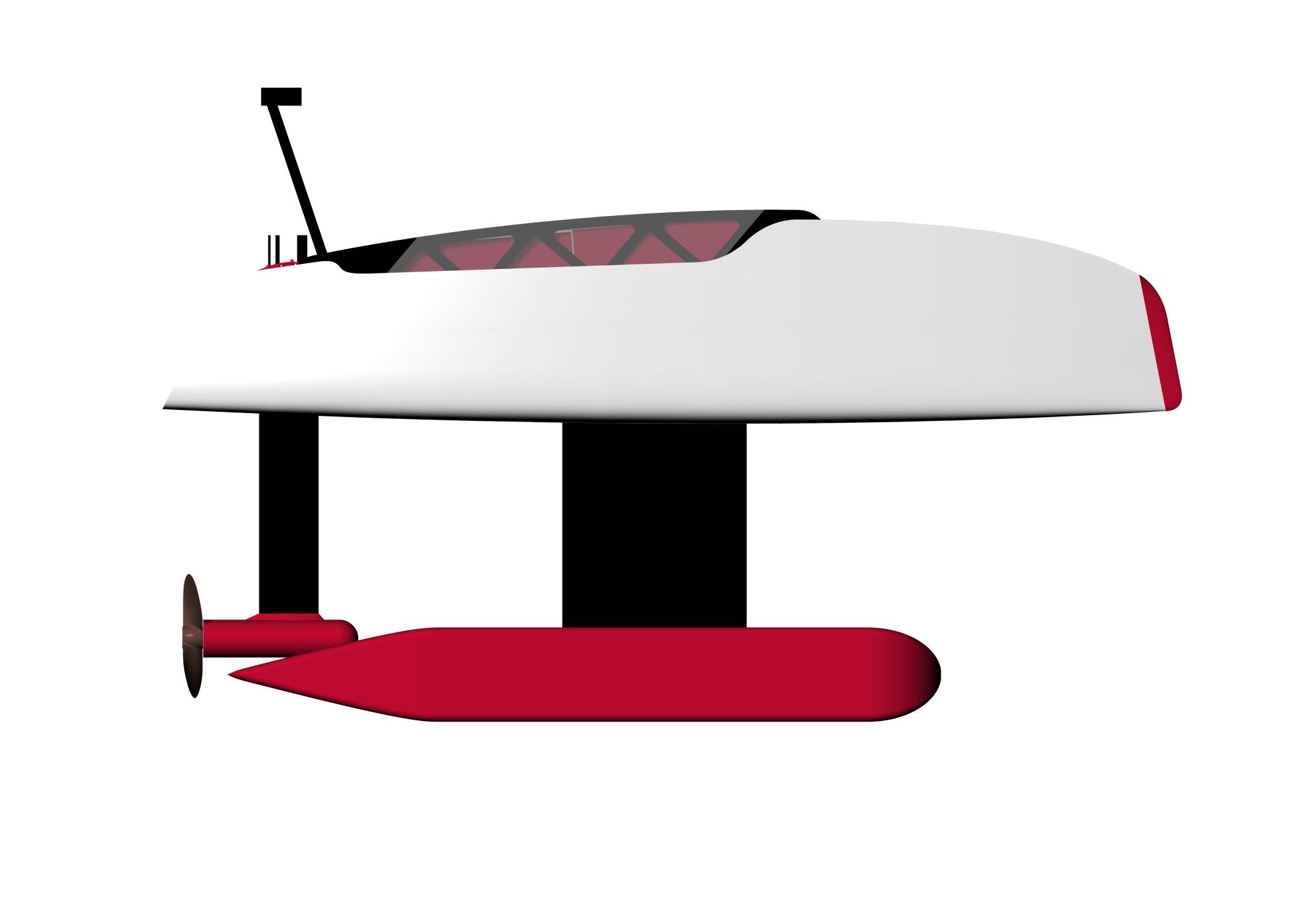
- By creating buoyant forces inside the torpedos, the boat will float with the minimum surface area in contact with the surface of the water
-
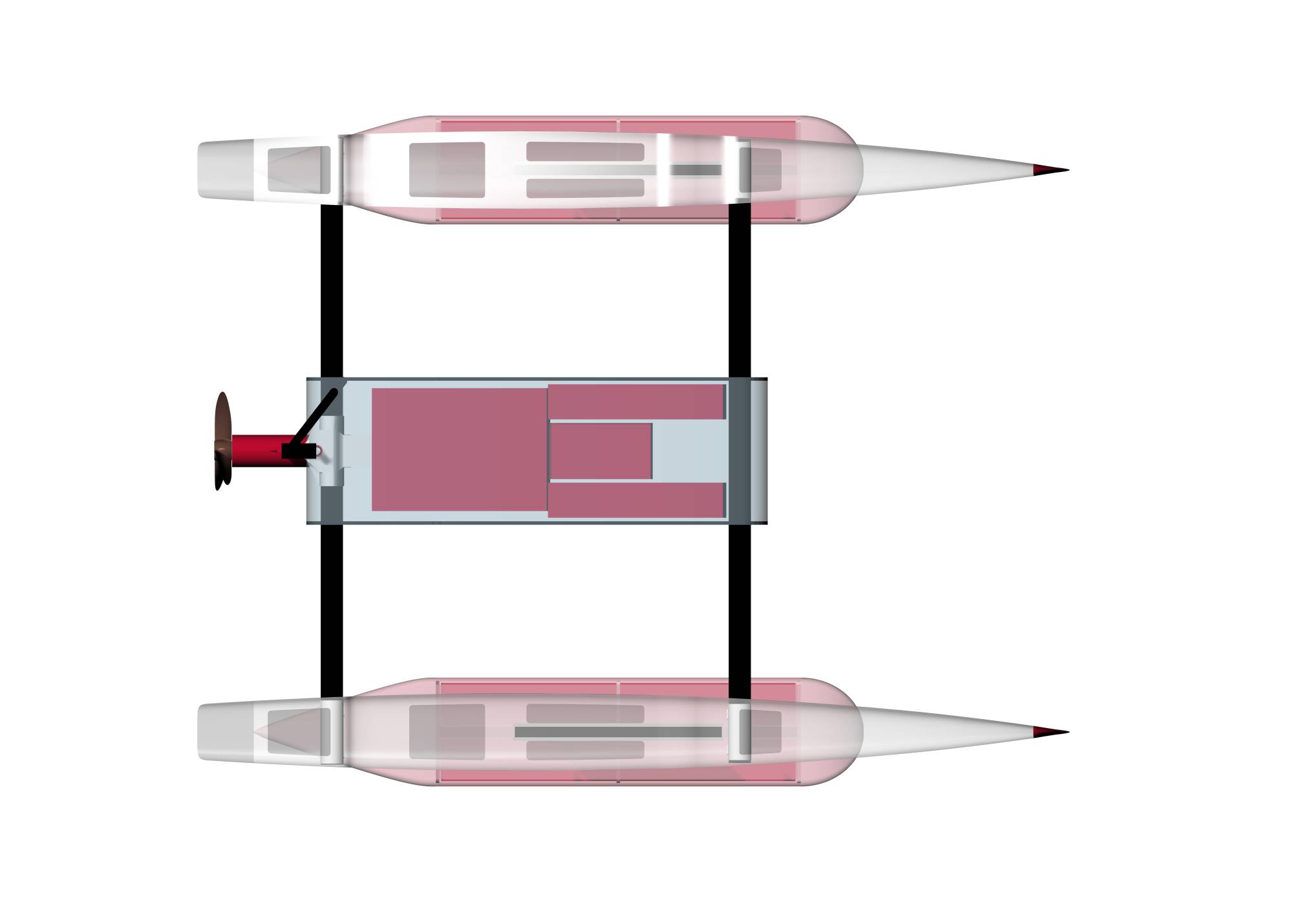
- The electronics for the boat are stored in the hulls, but primarily in the central pod
-
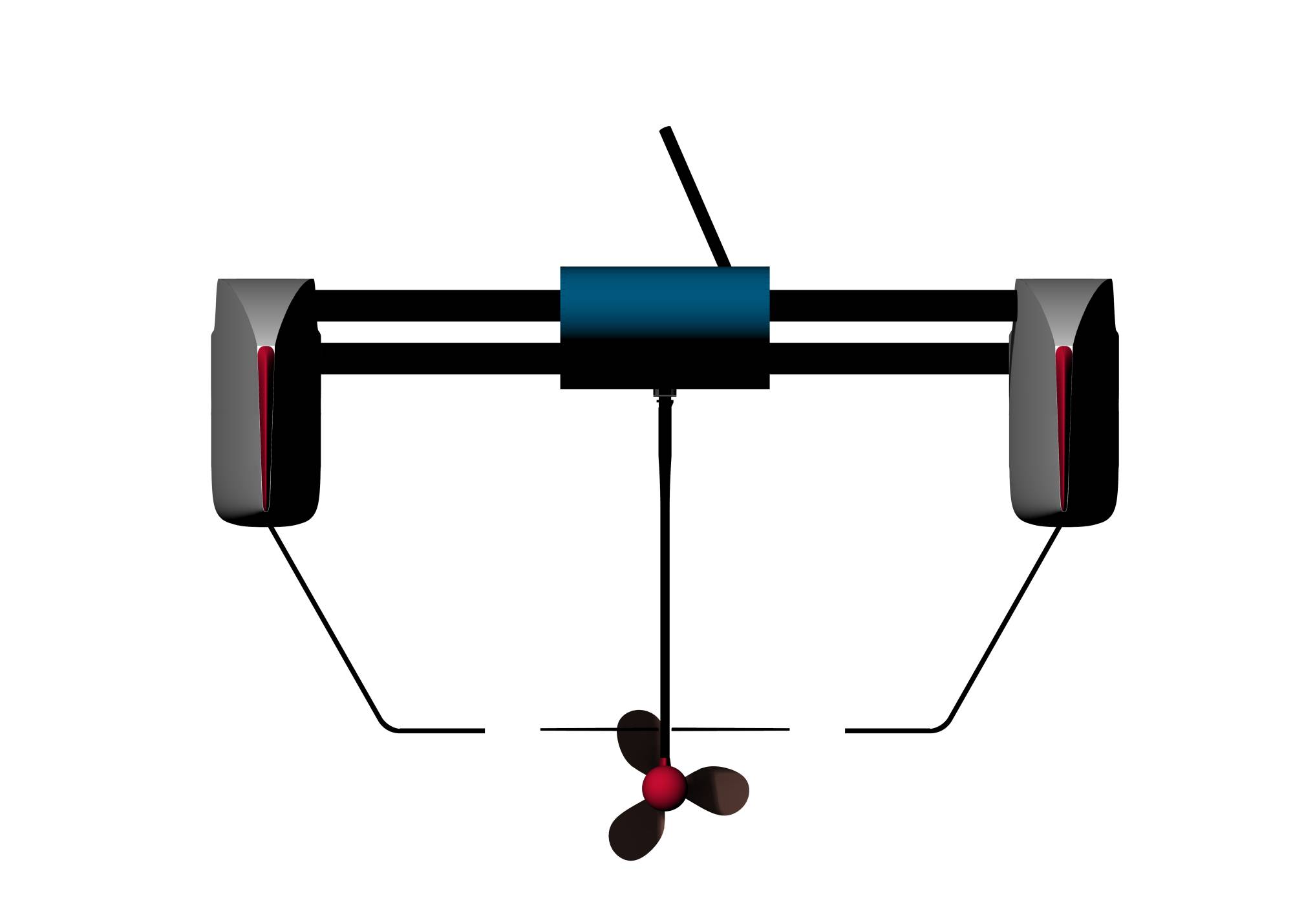
- The torpedos are interchangable with the hydrofoils, meaning that the same hull can be used for all races
-
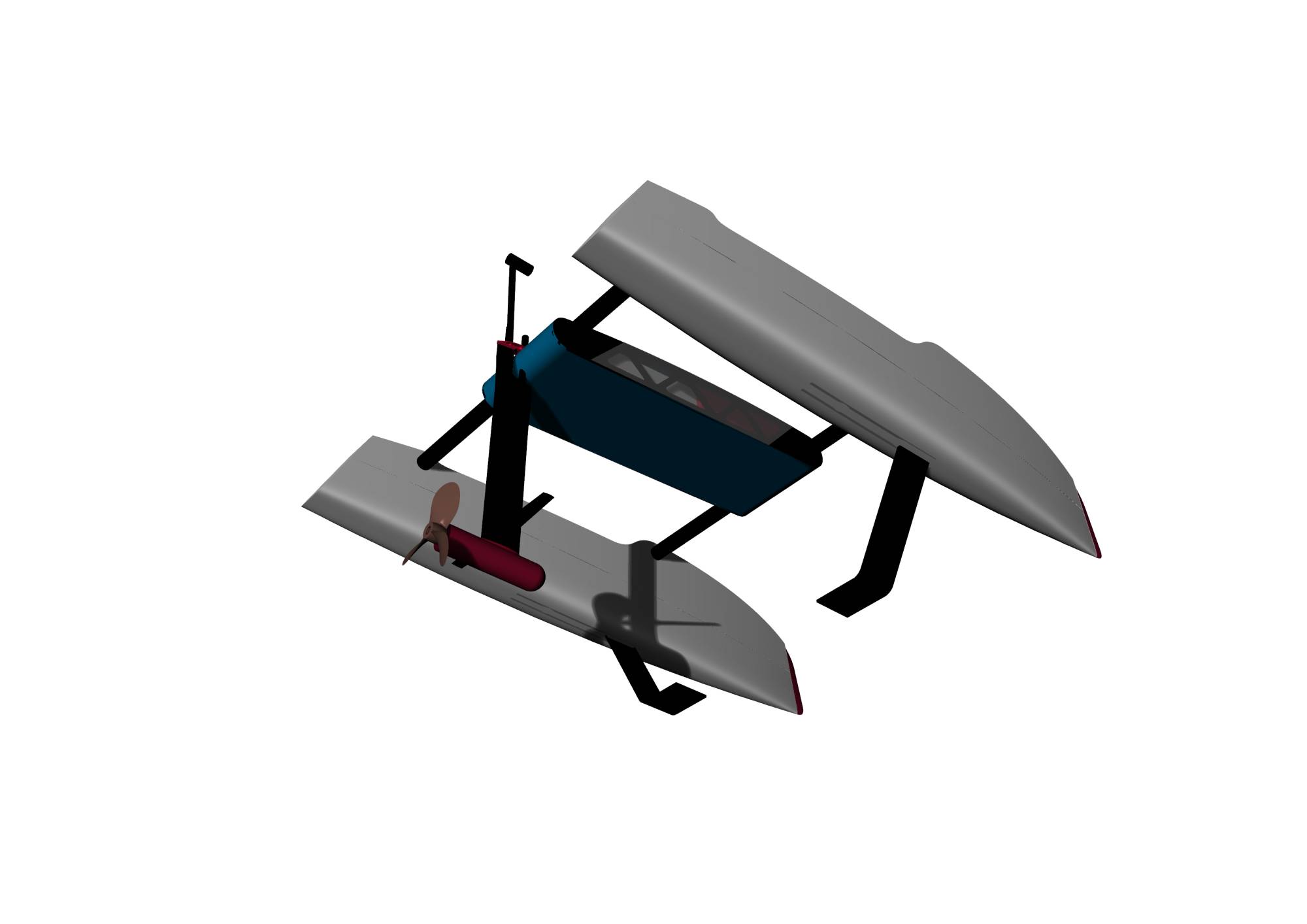
- The cargo on the lightweight boat is stored inside the hulls themselves, and are evenly distributed along the length of the hull
-

- For the heavyweight competition we store our 200kg cargo inside submerged torpedos as part of a SWATH design
-
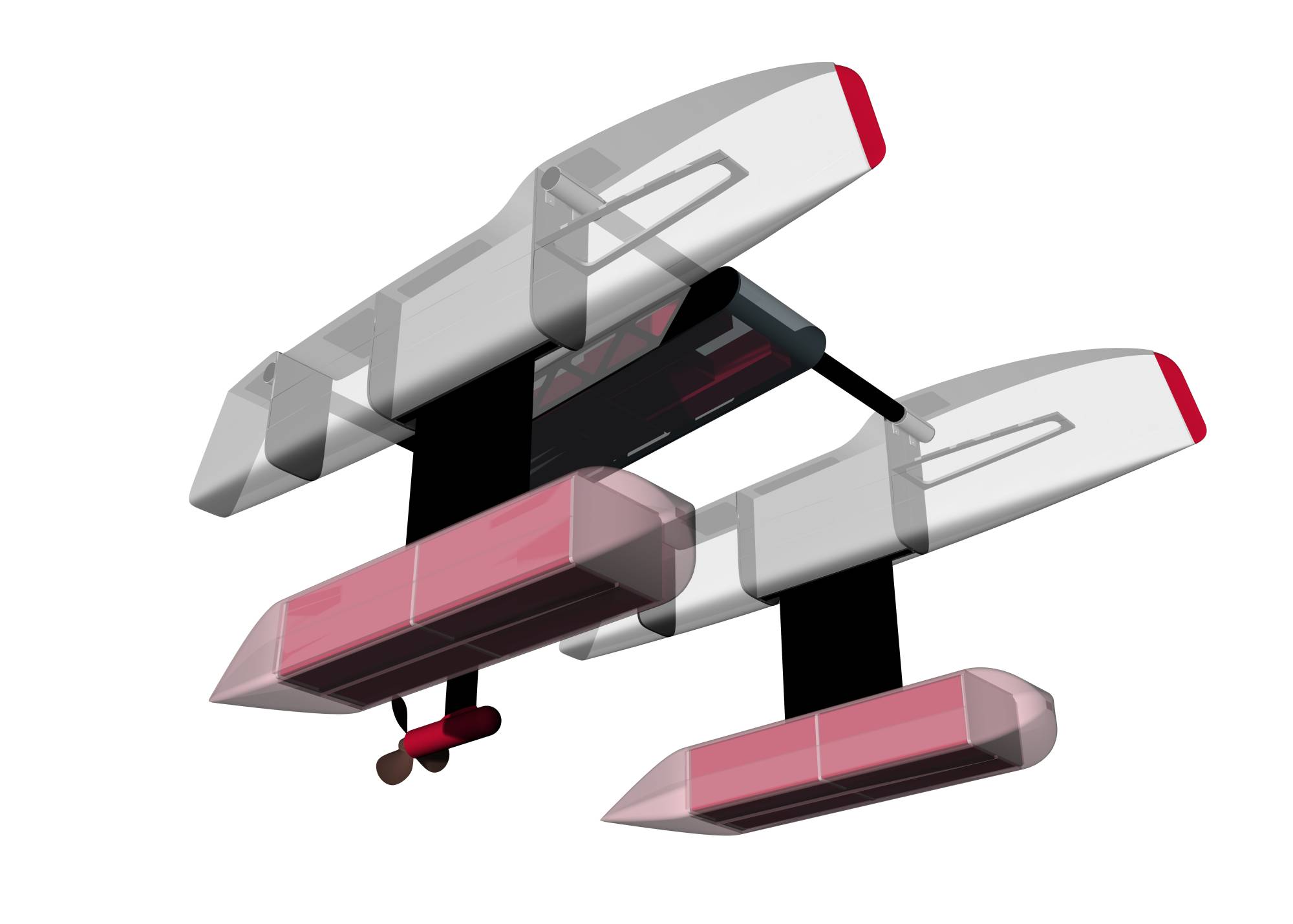
- The torpedos have been designed hydrodynamically in order to reduce the toal drag acting on the boat
-
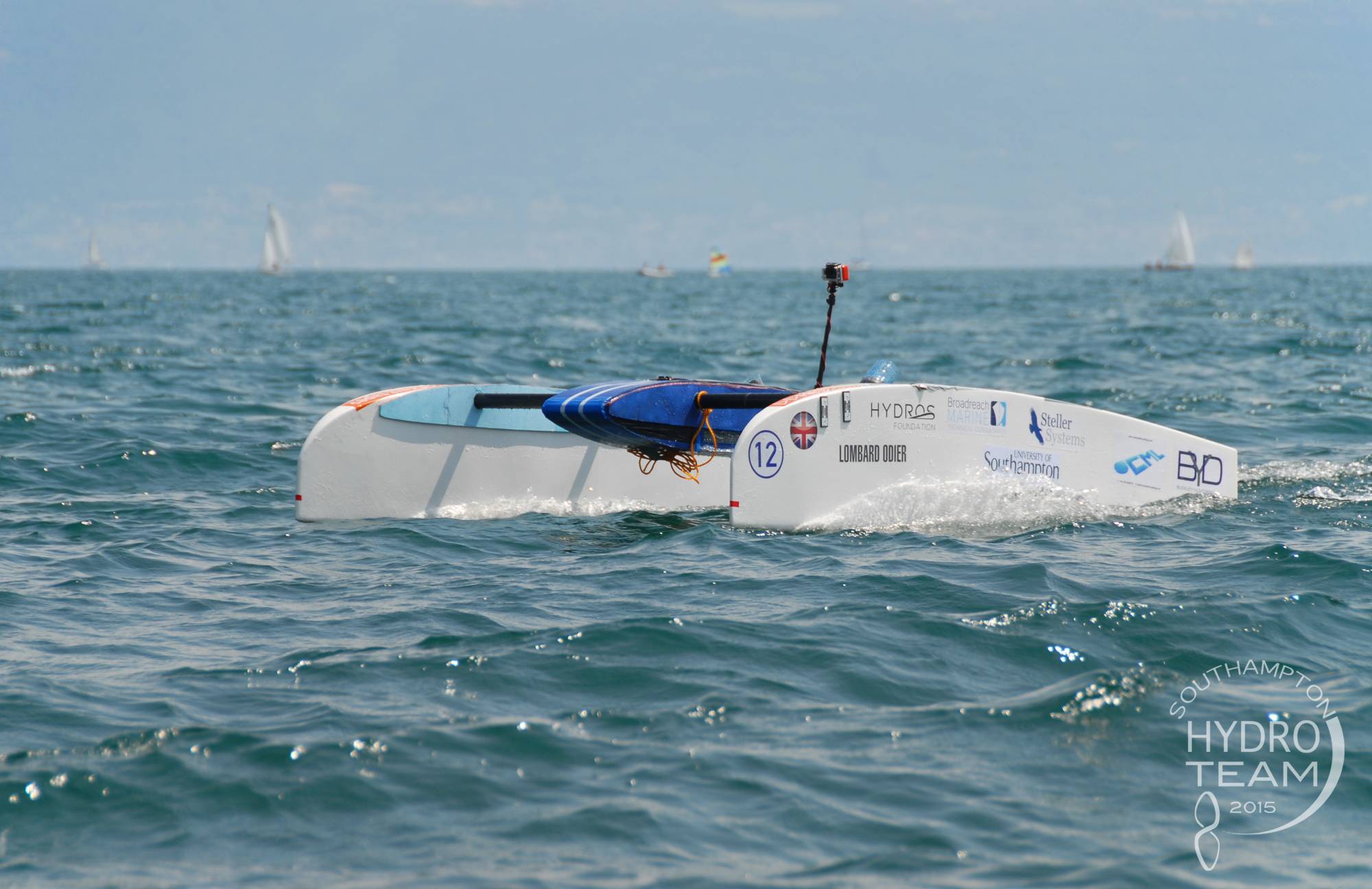
- The team at the HYDROcontest
-
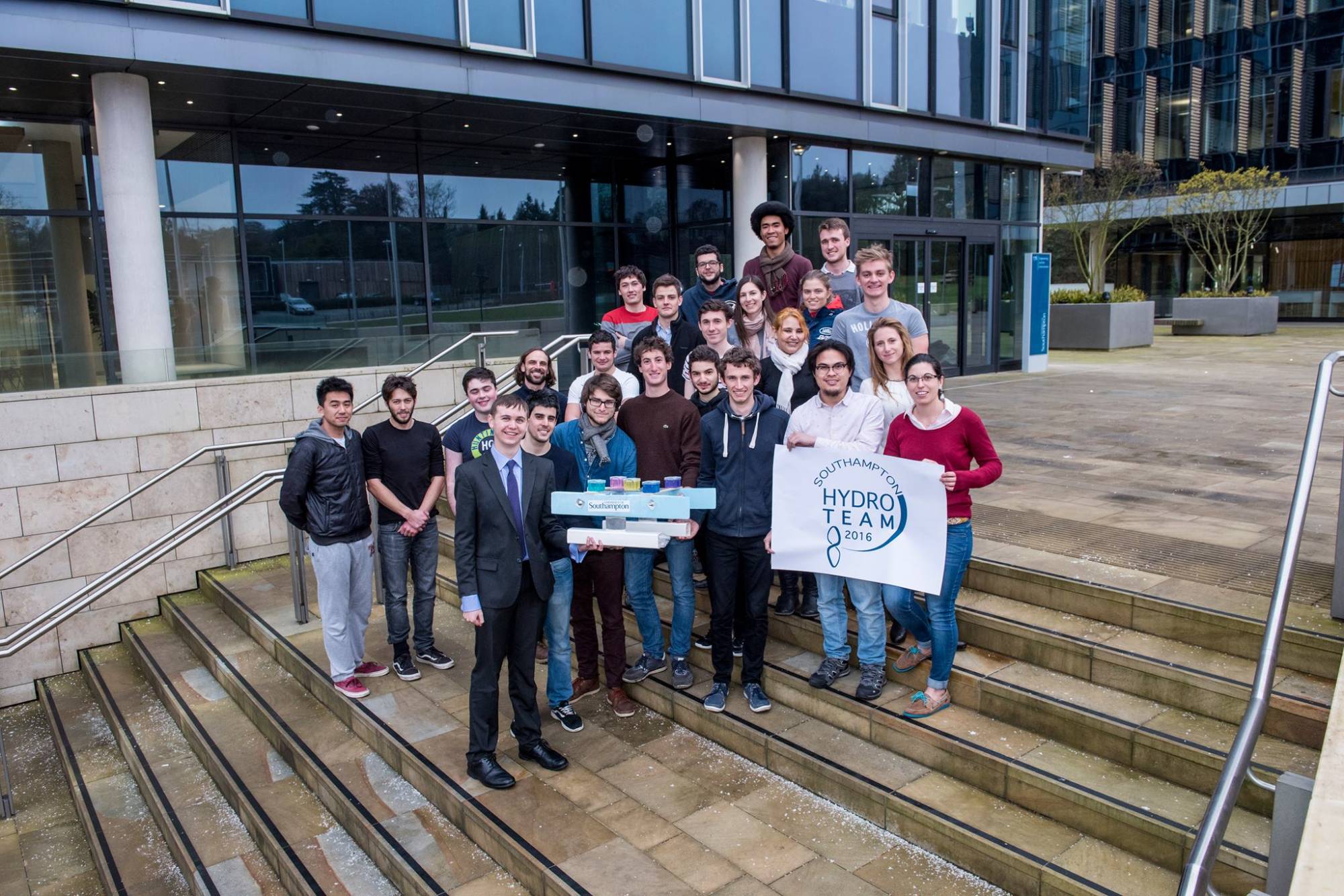
- The team is comprised of approximately 45 students, ranging from first year undergraduates through to MSc and PhD researchers from over 8 different faculties